Most business advice assumes you have savings to spend — a lease, stock, a website, ads. It is not the only way. People start every year with just a skill, a phone and a few spare hours a week. Zero-budget businesses such as freelancing earn real money, and many grow into something much bigger. This guide covers seven businesses you can start for $0, a 30-day launch plan, free tools, and common beginner mistakes.
Is It Really Possible to Start a Business With No Money?
Yes — with one clarification. “No money” does not mean “no investment at all.” Every business costs something. When cash is not available, you pay with your time, your skills and your attention instead.
That trade works best for service and knowledge-based businesses. If you can write, design, organise, teach, clean, fix or advise, you can sell that ability without buying anything first.
What does not work is a business that needs stock, premises or paid ads before the first sale. If that is the business you eventually want, start with a no-money model first and use the earnings to fund it later. Starting small is not a failure — a first client paying $50 is proof the idea works.
Before you pick an idea, narrow down what you are good at and what people will pay for. If you are stuck, try our Business Idea Generator — a free business idea generator that matches ideas to your budget, skills and situation. Once you have a shortlist, take time to validate your business idea before investing weeks in it.
7 Businesses You Can Start With $0
Pick the one that fits your skills and available time, not the one that sounds most exciting.
1. Freelancing
Freelancing means selling a skill to clients: writing, design, video editing, web development, translation, bookkeeping or social media management. Start with people you know, then create free profiles on Upwork, Fiverr and LinkedIn. Pay varies by skill — a beginner writer might earn $15–$30 per article, while an experienced designer can charge $50–$150 an hour. Do good work, collect testimonials, raise your rates.
2. Consulting and Coaching
If you have experience in a field — marketing, fitness, teaching, finance, HR or career advice — you can sell that knowledge as consulting or coaching. Be honest about what you have actually done; credibility matters enormously. First clients usually come from your network or from free content: short, helpful posts on LinkedIn, Instagram or TikTok that answer real questions. Offer a free 20-minute call, then a paid package — four sessions for a set price works well. A career coach might charge $50–$100 per session.
3. Digital Products
Digital products — templates, guides, spreadsheets, printables, short courses — cost nothing to create beyond your time, and once made they can be sold again and again. Pick a specific problem for a specific audience: a budget spreadsheet for freelancers, say, or a CV template for nurses. The narrower the audience, the easier it is to sell. Create the product in Canva or Google Sheets, both free, and list it on Etsy or Gumroad. Expect slow income at first — perhaps $20–$100 in the first month.
4. Print-on-Demand
Print-on-demand lets you sell T-shirts, mugs, posters and tote bags without buying stock. You upload a design, a customer orders it, and the supplier prints and ships it, taking their cut. You keep the margin — typically $5–$15 profit per sale, so volume matters. The designs that sell target a specific group: funny slogans for nurses, motivational quotes for gym-goers. Generic designs rarely stand out — promote yours for free on Pinterest, Instagram and TikTok.
5. Affiliate Marketing and Content Creation
Affiliate marketing means recommending products and earning a commission when someone buys through your link. A blog, YouTube channel or TikTok account carries them to an audience. This is the slowest of the seven to pay — building an audience takes months. The cost to start is zero: free blogging platforms, a phone camera, free editing apps. Pick a topic you know well, publish helpful content twice a week, and only recommend products you would honestly suggest to a friend.
6. Virtual Assistance
A virtual assistant (VA) handles admin tasks for busy business owners: inboxes, scheduling, data entry, bookkeeping, customer replies and social media scheduling. It is one of the easiest no-money businesses to start — the work is in constant demand. Find clients through local business owners, job boards and Facebook groups for entrepreneurs. Offer a free one-week trial. Beginner VAs typically charge $10–$20 an hour, rising to $25–$40 with experience.
7. Cleaning and Errand Services
Not every no-money business is online. Cleaning, ironing, gardening, dog walking and errand services need no equipment beyond what most households already have, and clients often provide the cleaning products themselves. Start locally with a flyer, a post in a local Facebook group, or a listing on a neighbourhood app. Reliability matters more than marketing: turn up on time, do a thorough job, and ask happy customers to recommend you. A cleaner might charge $15–$25 an hour, a dog walker $10–$20 per walk.
Step-by-Step: Launch Your No-Money Business in 30 Days
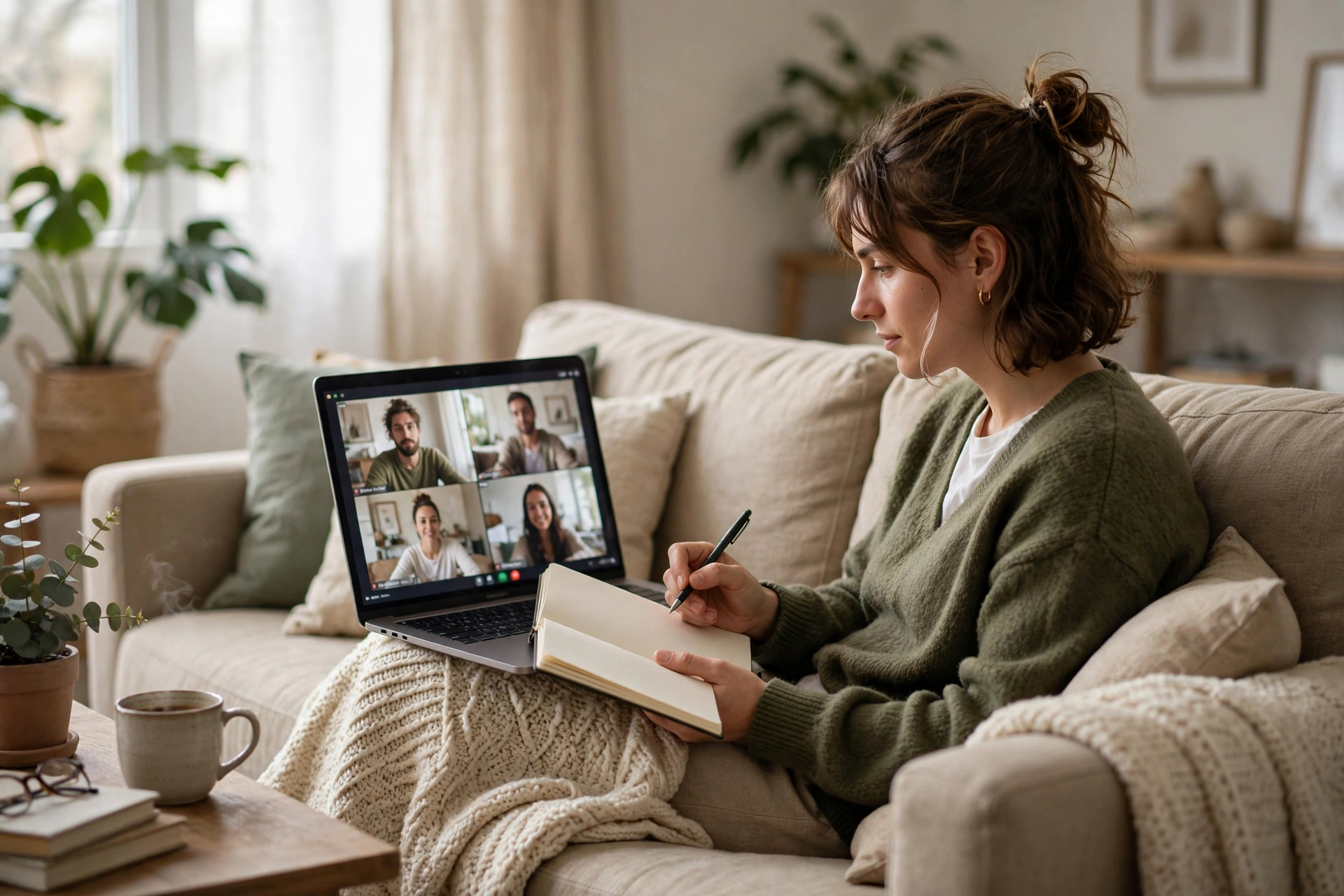
Week 1: Choose and validate. List your skills, interests and experience. Pick one idea above and check people want it: search online, check competitor prices, and ask ten people whether they would pay for it.
Week 2: Set up for free. Create a free Gmail address and a simple online presence: a social media business profile, a Google Business Profile if you serve local customers, and a one-page free website if you need one. Write a short, clear description of your offer and what it costs.
Week 3: Find your first three clients. Contact everyone you know who might need what you offer. Apply for freelance platforms and post your offer in relevant online groups — once, helpfully, not as spam. Offer an introductory price or a short free trial for a testimonial. Aim for three paying customers, not thirty leads.
Week 4: Deliver, learn and adjust. Do excellent work, then ask each client what they valued most and whether they would recommend you. Use their answers to improve your offer, track income and costs in a free spreadsheet, and plan your next month: more of what worked, less of what did not.
If you want to work from home, read our guide on how to start a small business from home. And if you are a student, our list of online business ideas for students without investment has options that fit around study.
Free Tools to Run Your Business
These free tools cover almost everything a beginner needs:
- Email and documents: Gmail and Google Docs — email, documents, spreadsheets and storage.
- Design: Canva free — social media graphics, flyers, logos and templates.
- Accounting: Wave — free invoicing and expense tracking.
- Website: WordPress.com free plan or Google Sites — a simple website.
- Scheduling: Calendly free plan — let clients book calls without endless emails.
- Communication: WhatsApp Business — free messaging with a business profile.
- Social media: Meta Business Suite — schedule Facebook and Instagram posts for free.
- Video calls: Google Meet or Zoom free plan.
- Payments: PayPal or Stripe — free to set up; they take a small fee only when you get paid.
- Project management: Trello free — track clients, tasks and deadlines.
Common Mistakes to Avoid
- Waiting until everything is perfect. A polished logo does not earn money; clients do. Launch simple and improve later.
- Charging too little for too long. Low introductory prices are fine for your first client or two. Raise your rates as reviews and experience grow.
- Trying to serve everyone. “I help anyone with anything” attracts nobody — a clear offer is easier to buy and recommend.
- Ignoring the numbers. If you do not know what you earned this month, you cannot tell whether the business is working — a simple weekly spreadsheet is enough.
- Spending money you do not have. Courses, premium tools and paid ads can wait. Earn first, invest later.
- Giving up after two quiet weeks. Most no-money businesses take one to three months to find their rhythm — double your outreach before abandoning the idea.
Frequently Asked Questions
Can I start a business with no money and no experience?
Yes, but choose accordingly. Virtual assistance, cleaning and errand work need little experience and pay quickly. For writing, design or coaching, build a small portfolio first — a few sample pieces or a free trial for a first client is usually enough.
Do I need to register a business with no money?
It depends on where you live. In many countries you can start as a sole trader and only need to register once you earn above a threshold or want a business bank account. Check your local government website first, and keep records from day one.
How long until I make money?
It depends on the model. Local services such as cleaning or dog walking can pay within the first week. Freelancing and virtual assistance usually pay within two to four weeks. Digital products, print-on-demand and affiliate marketing usually take two to six months.
Is a no-money business a real business?
Yes. A business is defined by customers paying for something of value, not by how much money was spent starting it. Many successful companies began with no funding, growing step by step from one service sold. What matters is whether people pay you, whether they come back, and whether the numbers work.
What is the best business to start with no money in 2026?
It depends on your skills. If you have a marketable skill, freelancing is usually fastest. If you are organised and reliable, virtual assistance is the easiest entry point. If you want income this week, a local service such as cleaning or errands is hard to beat. Pick the one you can start tomorrow.
Conclusion
Starting a business with no money in 2026 is realistic — if you start with the right kind of business. Sell a skill or a service, use free tools, find your first three clients, and let their payments fund the next step. It will not make you rich overnight, and anyone who promises that is selling you something.
Your first step takes less than an hour: pick one idea, write down who you will offer it to, and contact the first person on that list today. The businesses that succeed are rarely the ones with the best plan — they are the ones that actually start.
Pingback: Top 10 Best Small Business Phone Systems to Start Today
Pingback: How to Validate a Business Idea Before Investing Money
Pingback: 50 Home Business Ideas to Make Money online in 2026
Pingback: 25 Best Online Business Ideas for Students Without Investment
Pingback: 50 Best Business Ideas for Women at Home in 2026
Pingback: 30 Small Business Ideas for Housewives to Start from Home
Pingback: How to Start a Small Business from Home: Complete Guide
Pingback: How to Start an Online Clothing Business From Home
Pingback: 50 Profitable Business Ideas to Start in 2026